
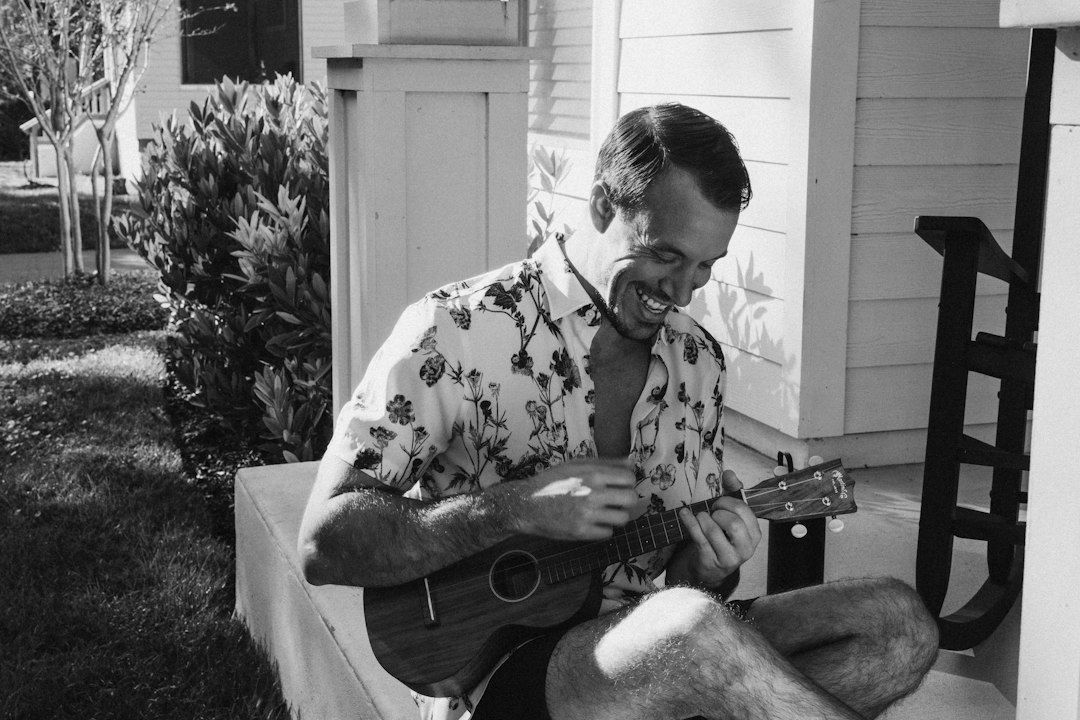
From Arenas to Front Porches: Why Intimate Music Heritage Is Driving Regional Tourism Growth
The Rise of Intimate Soundscapes in Regional Travel
Regional travel is entering a period in which scale alone no longer defines value. Large arenas and headline festivals can generate substantial visitation, but many travelers are increasingly seeking experiences that feel specific to a place, connected to local people, and meaningful beyond the performance itself. A front porch, historic hall, church basement, or restored civic room can offer precisely that kind of encounter. For destinations across Tennessee and similar regions, intimate music heritage is not a nostalgic alternative to modern tourism strategy. It is a practical way to differentiate communities, extend visitor stays, and direct spending toward locally rooted businesses.
Traveling for sound has a long history. Music once drew aristocratic audiences to opera cities, while railroads later enabled wider audiences to attend seaside performances, brass band competitions, and regional celebrations. Contemporary music tourism has expanded from concert attendance into cultural immersion, identity, and place-based discovery, as documented in the 350-year history of music tourism. That evolution creates a distinct opportunity for small towns and rural corridors. A carefully designed acoustic gathering can encourage visitors to stay overnight, eat locally, shop with independent makers, and understand the community through its own stories rather than through a generic entertainment format.
Evaluating the Economic Impact of Grassroots Acoustic Spaces
The economic comparison between a stadium event and a heritage music gathering should begin with more than attendance totals. A major concert can deliver a powerful short-term surge, but much of the visitor spend may be captured by national promoters, ticketing platforms, touring productions, large venues, and chain businesses. The local economy benefits from transportation, lodging, food service, and temporary employment, yet the visitor experience may remain concentrated within a single evening and a limited geographic footprint.
Heritage music travelers typically move through a wider network of local businesses. They may arrive earlier to visit a historic district, attend a workshop, dine at a family-run restaurant, purchase a locally made instrument or craft, and remain for a second night because the destination has curated several related experiences. This pattern reflects the difference between a gig trip and a cultural visit. The visitor is not simply buying admission. The visitor is purchasing context, access, interpretation, and an opportunity to participate respectfully in a living tradition.
Destination organizations should measure this broader economic footprint rather than relying exclusively on ticket sales or head counts. Useful indicators include average length of stay, local lodging occupancy, visitor spending within walking distance of the venue, payments to local performers, repeat visitation, and the percentage of event revenue retained by community-based operators.
| Measure | Large stadium event | Heritage music gathering |
|---|---|---|
| Primary visitor pattern | Concentrated attendance around one performance | Multi-stop cultural itinerary |
| Typical geographic footprint | Venue, parking, major transport routes | Historic districts, neighborhoods, lodging, shops, and local venues |
| Capital retention | Often shared with national promoters and suppliers | More directly distributed among local artists, hosts, restaurants, and makers |
| Dwell-time opportunity | Frequently one evening or one night | Multiple sessions, workshops, meals, and overnight stays |
| Community value | High visibility and rapid economic impact | Relationship building, cultural education, and recurring local enterprise |
This does not mean stadium events lack value. They can raise a destination”s profile, fill hotels during shoulder periods, and introduce new audiences to a region. The strategic question is balance. A community that invests only in large-scale spectacles can become dependent on infrequent demand spikes, while a destination that develops a calendar of smaller, authentic gatherings can build steadier seasonal activity and stronger relationships among residents, businesses, artists, and public agencies.
Historic Porches and Gathering Halls as Living Community Assets
Historic structures are often treated as static attractions, but their greatest value may lie in their continued use. Porches, grange halls, courthouses, church fellowship rooms, former schools, and civic auditoriums can become living performance spaces when programming is designed around their scale and character. The architecture does not merely provide a backdrop. It shapes acoustics, movement, conversation, and the visitor”s understanding of how generations gathered before tourism became an organized industry.
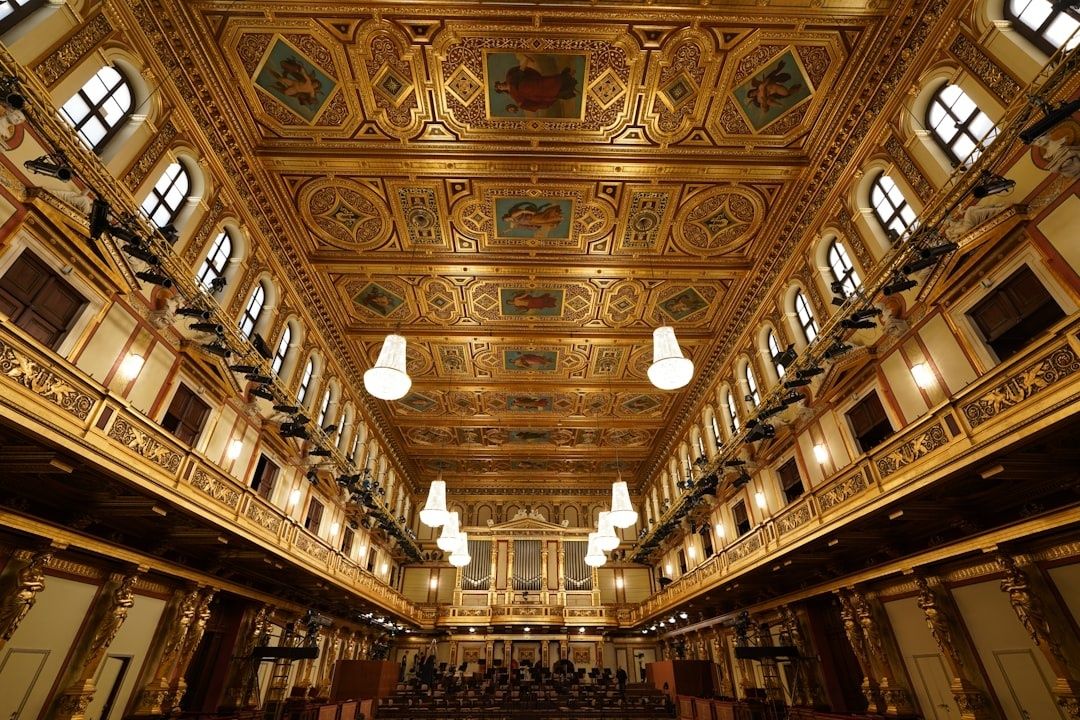
Faneuil Hall in Boston demonstrates how a historic gathering place can retain civic meaning across centuries. According to the National Park Service history of Faneuil Hall, the building has served for 275 years as a setting for meetings, protests, celebrations, ceremonies, and debate. Its later use by abolitionists, women”s suffragists, and labor organizers shows that public heritage is strongest when communities continue to use it for meaningful exchange. Smaller destinations can apply the same principle without copying the scale or visitor model. The objective is to preserve access and narrative ownership while inviting visitors into an authentic public setting.
Successful adaptation requires careful separation between interpretation, commerce, and conservation. Drayton Hall”s visitor center in Charleston offers a useful planning lesson. The National Trust for Historic Preservation describes a low-slung complex whose modest scale, materials, landscaping, and arrangement protect the prominence of the historic house while supporting education, events, orientation, and hospitality. For music destinations, similar design discipline can prevent new visitor infrastructure from overwhelming the original venue.
- Preserve the building”s defining features, including porch lines, original floors, sightlines, acoustics, and circulation patterns.
- Use removable staging, low-impact lighting, and portable furnishings wherever possible.
- Provide interpretation that explains the site”s community history, not only its entertainment value.
- Ensure residents, local artists, and heritage groups have a meaningful role in programming decisions.
- Maintain free or affordable public access so the venue does not become exclusively a visitor commodity.
Four Steps to Build Sustainable Heritage Music Programming
The strongest programs begin with an asset inventory rather than a promotional campaign. Tourism boards should identify local song traditions, family archives, instrument makers, gospel and folk lineages, multi-generational performers, recording histories, and gathering spaces that residents already recognize as culturally significant. Interviews with elders, librarians, teachers, faith leaders, musicians, and historical societies can reveal assets that are absent from formal attraction lists. A regional map can then connect venues and traditions into a coherent visitor route without forcing every community into the same format.
Programming must also be designed around operational realities. Historic buildings may have limited electrical capacity, fragile surfaces, narrow exits, parking constraints, or neighborhood concerns about noise and traffic. A small acoustic session can be more sustainable than a heavily amplified concert, but only if attendance, access, emergency planning, restrooms, insurance, artist compensation, and accessibility are addressed from the outset. Destination marketers should treat preservation requirements as part of the visitor experience, not as obstacles to be managed later.
- Map the living tradition. Document local performers, song forms, oral histories, venues, collections, and community custodians. Confirm permissions and avoid presenting private family or sacred traditions as public attractions without consent.
- Design low-impact logistics. Establish attendance limits, sound guidelines, transportation plans, weather contingencies, accessibility measures, and building protection protocols before announcing the program.
- Build a shared funding model. Combine tourism board support with arts council grants, municipal preservation funds, philanthropic contributions, venue partnerships, and responsible private sponsors. Written agreements should clarify artist pay, maintenance responsibilities, marketing rights, and revenue distribution.
- Curate listening rather than spectacle. Pair performances with moderated conversations, historical interpretation, demonstrations, or small workshops. Give visitors enough context to listen respectfully and understand the cultural significance of what they are hearing.
A program can remain commercially viable while resisting aggressive commercialization. Ticketed sessions, lodging packages, regional shuttle services, locally produced merchandise, and culinary partnerships can create revenue without turning every moment into a sales opportunity. The Visit Gainesville example of free porch sessions illustrates how a tourism organization can use an informal setting to promote access and artist visibility. The central lesson is not to reproduce a particular event, but to recognize that the intimacy of the setting is itself part of the value.
Mitigating Overtourism and Protecting Authentic Community Culture
Authenticity is easily damaged when a destination promotes a private or neighborhood tradition without establishing boundaries. A popular video can produce a sudden influx of visitors, parking pressure, rising rents, noise complaints, and the displacement of the very residents whose culture attracted attention. Tourism organizations should therefore distinguish between assets suitable for broad promotion and places that require controlled access, advance registration, or community-only use.
- Use timed micro-events and attendance caps to preserve acoustic quality and neighborhood comfort.
- Rotate programming across several venues so one site does not absorb all visitor pressure.
- Publish behavior expectations covering photography, recording, parking, noise, and respectful interaction.
- Keep local artists at the center of promotional imagery, interpretation, and compensation decisions.
- Review resident feedback after every event and adjust the calendar, capacity, and messaging accordingly.
Ethical storytelling should identify artists as cultural authorities rather than treating them as colorful evidence of a destination brand. Marketing copy should explain who controls the tradition, how performers are paid, and whether visitors are entering a public, private, sacred, or community-governed space. Faneuil Hall”s long civic history also reinforces the importance of keeping historic places connected to public life rather than reducing them to decorative venues. The goal is not to freeze culture in an idealized past, but to give local communities the authority and resources to decide how their traditions evolve.
Transform Regional Destinations into Enduring Cultural Sanctuaries
Intimate heritage performances can outperform generic spectacle over the long term because they create a more durable relationship between visitor and place. A stadium event may be memorable for its scale, but a carefully hosted porch session can connect a traveler with a musician, a building, a family recipe, a neighborhood story, and a broader regional identity. That layered experience supports longer stays, more distributed spending, repeat visitation, and stronger word-of-mouth while keeping cultural value in local hands.
The next step for destination leaders is practical. Convene tourism officials, preservation advocates, artists, venue owners, residents, chambers of commerce, and municipal planners. Identify three to five acoustic assets that can be supported immediately, establish clear protections, measure local economic outcomes, and fund artists as essential partners rather than promotional accessories. With disciplined planning, regional economies can grow around genuine human connection, shared music, and historic spaces that remain useful to the communities that created them.
By Magnus
- 14, Sep, 2026
- 0 Comments