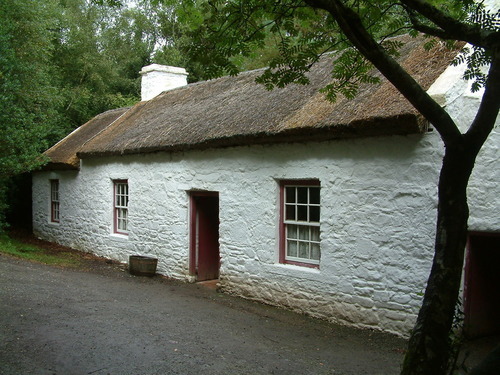

From Arenas to Front Porches: Why Intimate Music Heritage Is Driving Regional Tourism Growth

The Rise of Intimate Soundscapes in Regional Travel

Regional travel is entering a period in which scale alone no longer defines value. Large arenas and headline festivals can generate substantial visitation, but many travelers are increasingly seeking experiences that feel specific to a place, connected to local people, and meaningful beyond the performance itself. A front porch, historic hall, church basement, or restored civic room can offer precisely that kind of encounter. For destinations across Tennessee and similar regions, intimate music heritage is not a nostalgic alternative to modern tourism strategy. It is a practical way to differentiate communities, extend visitor stays, and direct spending toward locally rooted businesses.

Traveling for sound has a long history. Music once drew aristocratic audiences to opera cities, while railroads later enabled wider audiences to attend seaside performances, brass band competitions, and regional celebrations. Contemporary music tourism has expanded from concert attendance into cultural immersion, identity, and place-based discovery, as documented in the 350-year history of music tourism. That evolution creates a distinct opportunity for small towns and rural corridors. A carefully designed acoustic gathering can encourage visitors to stay overnight, eat locally, shop with independent makers, and understand the community through its own stories rather than through a generic entertainment format.

Evaluating the Economic Impact of Grassroots Acoustic Spaces

The economic comparison between a stadium event and a heritage music gathering should begin with more than attendance totals. A major concert can deliver a powerful short-term surge, but much of the visitor spend may be captured by national promoters, ticketing platforms, touring productions, large venues, and chain businesses. The local economy benefits from transportation, lodging, food service, and temporary employment, yet the visitor experience may remain concentrated within a single evening and a limited geographic footprint.

Heritage music travelers typically move through a wider network of local businesses. They may arrive earlier to visit a historic district, attend a workshop, dine at a family-run restaurant, purchase a locally made instrument or craft, and remain for a second night because the destination has curated several related experiences. This pattern reflects the difference between a gig trip and a cultural visit. The visitor is not simply buying admission. The visitor is purchasing context, access, interpretation, and an opportunity to participate respectfully in a living tradition.

Destination organizations should measure this broader economic footprint rather than relying exclusively on ticket sales or head counts. Useful indicators include average length of stay, local lodging occupancy, visitor spending within walking distance of the venue, payments to local performers, repeat visitation, and the percentage of event revenue retained by community-based operators.

Measure Large stadium event Heritage music gathering
Primary visitor pattern Concentrated attendance around one performance Multi-stop cultural itinerary
Typical geographic footprint Venue, parking, major transport routes Historic districts, neighborhoods, lodging, shops, and local venues
Capital retention Often shared with national promoters and suppliers More directly distributed among local artists, hosts, restaurants, and makers
Dwell-time opportunity Frequently one evening or one night Multiple sessions, workshops, meals, and overnight stays
Community value High visibility and rapid economic impact Relationship building, cultural education, and recurring local enterprise

This does not mean stadium events lack value. They can raise a destination”s profile, fill hotels during shoulder periods, and introduce new audiences to a region. The strategic question is balance. A community that invests only in large-scale spectacles can become dependent on infrequent demand spikes, while a destination that develops a calendar of smaller, authentic gatherings can build steadier seasonal activity and stronger relationships among residents, businesses, artists, and public agencies.

Historic Porches and Gathering Halls as Living Community Assets

Historic structures are often treated as static attractions, but their greatest value may lie in their continued use. Porches, grange halls, courthouses, church fellowship rooms, former schools, and civic auditoriums can become living performance spaces when programming is designed around their scale and character. The architecture does not merely provide a backdrop. It shapes acoustics, movement, conversation, and the visitor”s understanding of how generations gathered before tourism became an organized industry.

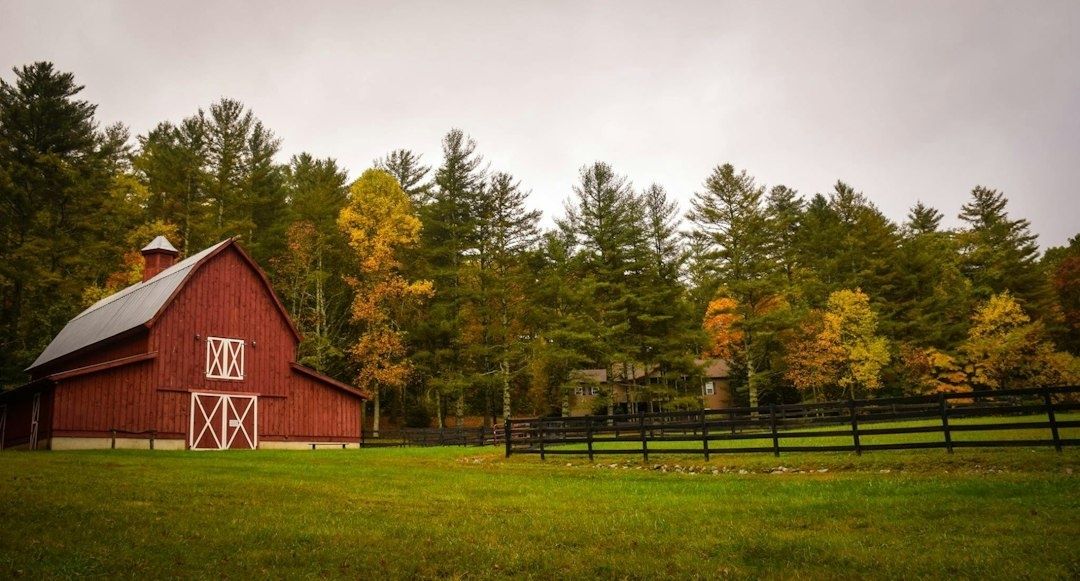
Ornate historic concert hall with balconies, chandeliers, and pipe organ
Historic venues can anchor cultural itineraries when their architectural character, community history, and musical traditions remain central to the visitor experience.

Faneuil Hall in Boston demonstrates how a historic gathering place can retain civic meaning across centuries. According to the National Park Service history of Faneuil Hall, the building has served for 275 years as a setting for meetings, protests, celebrations, ceremonies, and debate. Its later use by abolitionists, women”s suffragists, and labor organizers shows that public heritage is strongest when communities continue to use it for meaningful exchange. Smaller destinations can apply the same principle without copying the scale or visitor model. The objective is to preserve access and narrative ownership while inviting visitors into an authentic public setting.

Successful adaptation requires careful separation between interpretation, commerce, and conservation. Drayton Hall”s visitor center in Charleston offers a useful planning lesson. The National Trust for Historic Preservation describes a low-slung complex whose modest scale, materials, landscaping, and arrangement protect the prominence of the historic house while supporting education, events, orientation, and hospitality. For music destinations, similar design discipline can prevent new visitor infrastructure from overwhelming the original venue.

  • Preserve the building”s defining features, including porch lines, original floors, sightlines, acoustics, and circulation patterns.
  • Use removable staging, low-impact lighting, and portable furnishings wherever possible.
  • Provide interpretation that explains the site”s community history, not only its entertainment value.
  • Ensure residents, local artists, and heritage groups have a meaningful role in programming decisions.
  • Maintain free or affordable public access so the venue does not become exclusively a visitor commodity.

Four Steps to Build Sustainable Heritage Music Programming

The strongest programs begin with an asset inventory rather than a promotional campaign. Tourism boards should identify local song traditions, family archives, instrument makers, gospel and folk lineages, multi-generational performers, recording histories, and gathering spaces that residents already recognize as culturally significant. Interviews with elders, librarians, teachers, faith leaders, musicians, and historical societies can reveal assets that are absent from formal attraction lists. A regional map can then connect venues and traditions into a coherent visitor route without forcing every community into the same format.

Programming must also be designed around operational realities. Historic buildings may have limited electrical capacity, fragile surfaces, narrow exits, parking constraints, or neighborhood concerns about noise and traffic. A small acoustic session can be more sustainable than a heavily amplified concert, but only if attendance, access, emergency planning, restrooms, insurance, artist compensation, and accessibility are addressed from the outset. Destination marketers should treat preservation requirements as part of the visitor experience, not as obstacles to be managed later.

  1. Map the living tradition. Document local performers, song forms, oral histories, venues, collections, and community custodians. Confirm permissions and avoid presenting private family or sacred traditions as public attractions without consent.
  2. Design low-impact logistics. Establish attendance limits, sound guidelines, transportation plans, weather contingencies, accessibility measures, and building protection protocols before announcing the program.
  3. Build a shared funding model. Combine tourism board support with arts council grants, municipal preservation funds, philanthropic contributions, venue partnerships, and responsible private sponsors. Written agreements should clarify artist pay, maintenance responsibilities, marketing rights, and revenue distribution.
  4. Curate listening rather than spectacle. Pair performances with moderated conversations, historical interpretation, demonstrations, or small workshops. Give visitors enough context to listen respectfully and understand the cultural significance of what they are hearing.

A program can remain commercially viable while resisting aggressive commercialization. Ticketed sessions, lodging packages, regional shuttle services, locally produced merchandise, and culinary partnerships can create revenue without turning every moment into a sales opportunity. The Visit Gainesville example of free porch sessions illustrates how a tourism organization can use an informal setting to promote access and artist visibility. The central lesson is not to reproduce a particular event, but to recognize that the intimacy of the setting is itself part of the value.

Mitigating Overtourism and Protecting Authentic Community Culture

Authenticity is easily damaged when a destination promotes a private or neighborhood tradition without establishing boundaries. A popular video can produce a sudden influx of visitors, parking pressure, rising rents, noise complaints, and the displacement of the very residents whose culture attracted attention. Tourism organizations should therefore distinguish between assets suitable for broad promotion and places that require controlled access, advance registration, or community-only use.

  • Use timed micro-events and attendance caps to preserve acoustic quality and neighborhood comfort.
  • Rotate programming across several venues so one site does not absorb all visitor pressure.
  • Publish behavior expectations covering photography, recording, parking, noise, and respectful interaction.
  • Keep local artists at the center of promotional imagery, interpretation, and compensation decisions.
  • Review resident feedback after every event and adjust the calendar, capacity, and messaging accordingly.

Ethical storytelling should identify artists as cultural authorities rather than treating them as colorful evidence of a destination brand. Marketing copy should explain who controls the tradition, how performers are paid, and whether visitors are entering a public, private, sacred, or community-governed space. Faneuil Hall”s long civic history also reinforces the importance of keeping historic places connected to public life rather than reducing them to decorative venues. The goal is not to freeze culture in an idealized past, but to give local communities the authority and resources to decide how their traditions evolve.

Transform Regional Destinations into Enduring Cultural Sanctuaries

Intimate heritage performances can outperform generic spectacle over the long term because they create a more durable relationship between visitor and place. A stadium event may be memorable for its scale, but a carefully hosted porch session can connect a traveler with a musician, a building, a family recipe, a neighborhood story, and a broader regional identity. That layered experience supports longer stays, more distributed spending, repeat visitation, and stronger word-of-mouth while keeping cultural value in local hands.

The next step for destination leaders is practical. Convene tourism officials, preservation advocates, artists, venue owners, residents, chambers of commerce, and municipal planners. Identify three to five acoustic assets that can be supported immediately, establish clear protections, measure local economic outcomes, and fund artists as essential partners rather than promotional accessories. With disciplined planning, regional economies can grow around genuine human connection, shared music, and historic spaces that remain useful to the communities that created them.

Preserving Scenic Byways: How Communities Balance Roadway Access with Corridor Conservation

The Double-Edged Charm of America’s Scenic Byways

America”s scenic byways were created to make travel part of the destination. Routes winding through mountain passes, river valleys, forests, farmland, and historic communities invite motorists to slow down, appreciate distinctive landscapes, and spend time in nearby towns. For destinations across Tennessee and the wider Appalachian region, that experience can support lodging, restaurants, outfitters, attractions, and locally owned retail. Yet the same appeal that draws visitors can quickly place pressure on the corridor itself. A pastoral driving route can become a high-volume tourism artery, with congestion at overlooks, roadside litter, degraded shoulders, and emergency vehicles struggling to move through peak-season traffic.

The challenge is not whether communities should welcome driving tourists. The more useful question is how access can be managed as a shared civic and environmental responsibility. A scenic corridor management plan for Newfound Gap Road offers a relevant point of reference. The 31-mile route through Great Smoky Mountains National Park connects Tennessee and North Carolina and carries more than 5 million motorists annually, while also serving as a setting for natural, scenic, and historic interpretation. Its example demonstrates why modern planners must move beyond passive access. Successful byways require active stewardship that coordinates transportation operations, visitor services, ecological protection, and the economic interests of gateway communities.

Understanding the Operational Pressure on Gateway Communities

Tourism surges affect far more than the road segment that appears on a map. When visitors arrive in concentrated waves, nearby communities absorb demand for parking, fuel, restrooms, waste collection, cellular connectivity, public safety, and roadway maintenance. Local streets that were designed for residential circulation may become informal approach routes to trailheads, overlooks, or popular attractions. Businesses may benefit from increased foot traffic, but employees, residents, school buses, deliveries, and emergency responders must navigate the same constrained network.

These impacts are closely connected to housing and workforce patterns. A 2023 gateway community report describes how rapid visitation, amenity migration, and rising housing costs can produce longer commuter sheds and greater transportation costs for local workers. That finding matters for corridor managers because seasonal congestion is only one part of the operational picture. A community may face visitor traffic during the day, employee commuting pressure at shift changes, and delivery or construction movements at the same time. Effective planning therefore needs to connect tourism demand with land use, housing, mobility, and infrastructure decisions.

Peak traffic commonly produces a recognizable chain of problems. Vehicles spill onto shoulders when designated turnouts fill, repeated tire movements break down vegetation and accelerate erosion, and pedestrians cross unpredictably between parked cars and scenic viewpoints. Once roadside conditions deteriorate, maintenance crews often respond with repeated grading, gravel placement, or pavement repairs that treat symptoms rather than capacity. A corridor-wide approach should establish thresholds and response plans before the busiest weekends arrive.

  • Track vehicle volumes, parking occupancy, pedestrian conflicts, incident response times, and shoulder damage by season and time of day.
  • Identify locations where informal parking blocks sightlines, drainage, transit operations, or emergency access.
  • Coordinate roadway, land-use, visitor-service, and business data instead of evaluating each segment in isolation.
  • Set measurable carrying-capacity triggers that activate shuttle service, parking controls, public messaging, or temporary traffic adjustments.

Carrying capacity should not be understood as a single number that permanently limits visitation. It is a management tool that helps officials distinguish between acceptable use and conditions that damage resources or diminish the visitor experience. A corridor may accommodate high traffic at one overlook and very little traffic at another because of differences in geometry, habitat sensitivity, restrooms, or pedestrian safety. Planning around these variations allows communities to protect vulnerable locations without unnecessarily restricting the entire route.

Engineering Wildlife Connectivity and Habitat Buffers Along Paved Roads

Roads divide habitat into smaller, less connected areas. For wildlife, the consequences include disrupted migration, reduced access to food and water, vehicle collisions, and increased exposure to fences, development, and other barriers. The U.S. Fish and Wildlife Service explains wildlife corridors as routes that animals use to complete their life cycles, ranging from local river systems to continent-scale movement pathways. Scenic roads often pass through precisely the landscapes where these connections are most important, including mountain forests, wetlands, grasslands, and riparian corridors.

Connectivity should be incorporated into routine transportation design rather than treated as an environmental add-on after a project is complete. Wildlife underpasses, appropriately sized culverts, fencing that guides animals toward safe crossings, and overpasses can reduce collisions and reconnect fragmented habitat. The appropriate treatment depends on species, terrain, hydrology, and movement data. An underpass suitable for small mammals may not work for elk or black bear, while a fish-passage project may require replacing an obstruction that is barely visible to motorists but significant to aquatic species.

Roadside vegetation management is another practical opportunity. Broad, uniform mowing can remove native plants, nesting cover, and food sources for pollinators. A specialized right-of-way regime can leave selected areas unmowed during nesting or flowering periods, control invasive species, and use native plantings that stabilize soil while improving the visual character of the corridor. These decisions require clear maintenance standards, because an unmanaged roadside can create sight-distance, wildfire, drainage, or public perception concerns. The goal is not simply less mowing. It is better-timed, ecologically informed maintenance.

  • Map collision locations, migration routes, waterways, wetlands, and known habitat pinch points before designing improvements.
  • Use native roadside plantings and phased mowing schedules that support pollinators and ground-nesting wildlife while preserving visibility.
  • Pair wildlife crossings with guidance fencing, drainage improvements, and maintenance access so the full system functions reliably.
  • Install animal detection systems or warning signs where engineering solutions are not immediately feasible.

For tourism leaders, these measures also contribute to interpretation and place identity. Visitors increasingly value evidence that a destination protects the landscapes it promotes. Carefully designed overlooks, signs, and educational materials can explain why a crossing exists, how seasonal wildlife movement works, or why a meadow is managed differently from a conventional roadside lawn. That communication turns infrastructure into part of the visitor experience rather than an unexplained restriction.

Smart Traffic Strategies That Protect Landscapes While Welcoming Motorists

Traditional responses to congestion often emphasize widening lanes, adding pavement, or expanding parking. Those approaches may increase short-term throughput, but on scenic corridors they can damage the very landscape that attracts visitors. Larger road footprints can require tree removal, alter drainage, encourage faster driving, and create additional maintenance obligations. They may also shift congestion to the next bottleneck rather than solving the underlying concentration of demand.

Intelligent transportation systems provide a more flexible starting point. Traffic counters, camera systems, weather monitoring, parking sensors, and incident alerts can help agencies understand conditions in real time. Variable message signs placed before a bottleneck can advise motorists about full turnouts, travel times, alternate viewpoints, shuttle options, or temporary closures. The purpose is not to surprise visitors at the point of failure. It is to give them useful choices early enough to make a safe and satisfying decision.

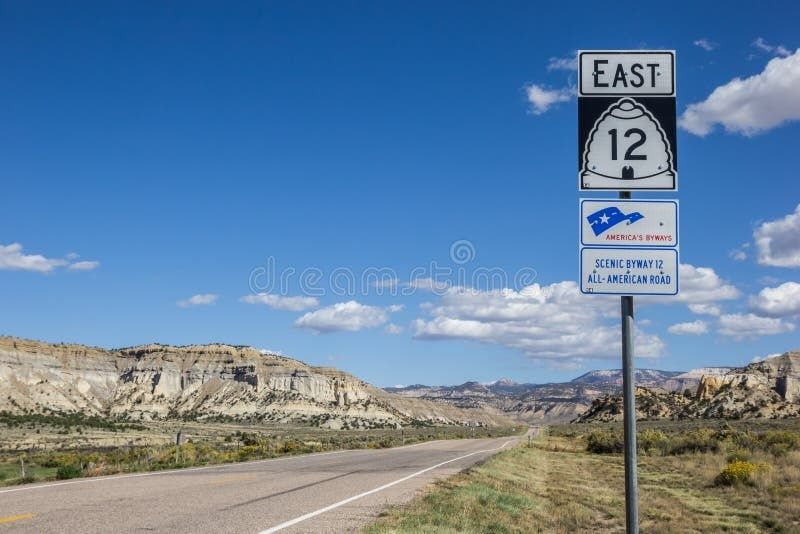
Eastbound Scenic Byway 12 sign beside an open road in rugged terrain
Clear, timely information helps drivers make safer choices before congestion reaches a sensitive overlook, reducing pressure on both the roadway and surrounding landscape.

Dynamic management can also distribute visitation. Timed entry at especially constrained turnouts, reservations for high-demand parking areas, and temporary adjustments to access rules can prevent one scenic point from absorbing the day”s entire demand. Parking information can direct motorists toward less crowded vistas, nearby communities, or scheduled shuttle connections. These tools work best when paired with clear communication through destination websites, lodging partners, visitor centers, navigation platforms, and roadside signs.

Management tool Primary benefit Planning consideration
Variable message signs Provides early warnings and route choices Messages must be timely, concise, and coordinated across agencies
Parking occupancy sensors Reduces circulation caused by searching for spaces Data systems require maintenance and public-facing updates
Timed-entry turnouts Controls crowding at highly constrained viewpoints Reservations should be simple and equitable for visitors
Shuttles and remote parking Reduces vehicle pressure in sensitive locations Operations need dependable funding and convenient connections
Wildlife detection signage Improves driver awareness in collision zones Signs should be supported by monitoring and enforcement

California”s directory of federal and state transportation programs illustrates the range of available program categories, including intelligent transportation systems, innovative technologies, congestion reduction, resilience, emissions, safety, and wildlife crossings. While each state has its own eligibility rules, the broader lesson is useful: corridor managers should assemble a package of smaller, complementary interventions rather than assume that one major construction project is the only solution. A modest combination of real-time information, parking management, pedestrian improvements, and habitat design may protect scenic character more effectively than roadway expansion.

Funding and Interagency Governance for Long-Term Preservation

Scenic corridors rarely fit within one jurisdiction. A route may cross municipal boundaries, state lines, federal lands, tribal lands, and privately owned gateway properties. Different agencies may control pavement, parking, signs, vegetation, emergency response, visitor information, and conservation programs. Without a shared operating framework, one agency can unintentionally undermine another”s goals, such as promoting a peak-season event without accounting for limited road capacity or installing a turnout without a plan for pedestrian safety and habitat protection.

Federal support can help close that coordination gap. The Federal Highway Administration has reported that the National Scenic Byways Program funded 207 projects in 42 states with more than $22 million, supporting improvements such as scenic overlooks, visitor centers, pedestrian trails, bike paths, safety measures, and educational materials. Since 1992, the program had awarded more than $250 million for over 1,800 designated byway projects. These investments demonstrate that scenic preservation is compatible with transportation funding, provided projects connect access improvements to the qualities that make a route distinctive.

Local assistance, wildlife-crossing programs, congestion reduction funds, resilience grants, emergency preparedness resources, and tourism development allocations may also contribute to a corridor program. The most competitive proposals typically describe a complete visitor and community system rather than a stand-alone beautification project. They identify the transportation problem, explain the ecological risk, show how residents and businesses benefit, define measurable outcomes, and establish who will maintain the investment after construction.

  1. Define the shared corridor. Map the route, gateways, attractions, habitats, parking areas, communities, ownership patterns, and operational responsibilities. Agree on the visitor experience and natural resources the partnership is trying to protect.
  2. Create a common evidence base. Establish consistent measures for traffic, parking, crashes, wildlife collisions, erosion, visitor satisfaction, local business conditions, and emergency response. Shared data makes difficult policy discussions more objective.
  3. Assign decisions and funding. Specify which agency leads on signs, maintenance, enforcement, habitat work, visitor communication, and capital projects. Combine grants, transportation allocations, park budgets, tourism assessments, and local contributions where appropriate.
  4. Review performance each season. Publish or circulate an annual scorecard, evaluate what worked, and adjust thresholds, messages, mowing schedules, shuttle operations, or investment priorities before the next peak period.

Formal agreements can take the form of memoranda of understanding, intergovernmental agreements, corridor authorities, or standing working groups. The structure matters less than the commitments. Each partner should know how decisions will be made during an incident, who communicates with the public, how maintenance costs are shared, and how community concerns enter the process. Tourism boards can be especially valuable conveners because they understand visitor demand while maintaining relationships with lodging operators, attractions, chambers, and local businesses.

Governance should also include residents and frontline workers. A plan that improves the visitor view but lengthens employee commutes, blocks neighborhood access, or shifts parking into residential streets will not remain politically durable. Public meetings, business roundtables, multilingual information, and direct feedback channels can reveal operational realities that traffic models miss. Durable stewardship depends on treating the community as a partner in the visitor economy, not merely as the setting for it.

Building Resilient Scenic Corridors for the Next Generation of Travelers

Preservation and tourism viability are not opposing objectives. A healthy landscape is the core asset behind the scenic drive, while a well-managed visitor economy can generate the funding, political support, and public attention needed to protect that landscape. The strongest corridors therefore define success more broadly than vehicle counts. They measure whether visitors can move safely, whether residents retain reliable access, whether local businesses receive meaningful economic benefit, and whether wildlife, water, vegetation, and cultural resources remain intact.

Destination planners, park superintendents, transportation officials, and tourism leaders can begin with a practical commitment: manage the corridor as one connected visitor and ecological system. Start by sharing data, identifying the most urgent bottlenecks and habitat barriers, and agreeing on a small set of near-term actions. Then build toward smarter information systems, better roadside design, coordinated funding, and a standing interagency partnership. When communities make stewardship visible and operational, motorists receive a better experience, local businesses gain a more dependable tourism environment, and scenic byways remain worthy of the journey for generations to come.

Explore the Urban Jungle

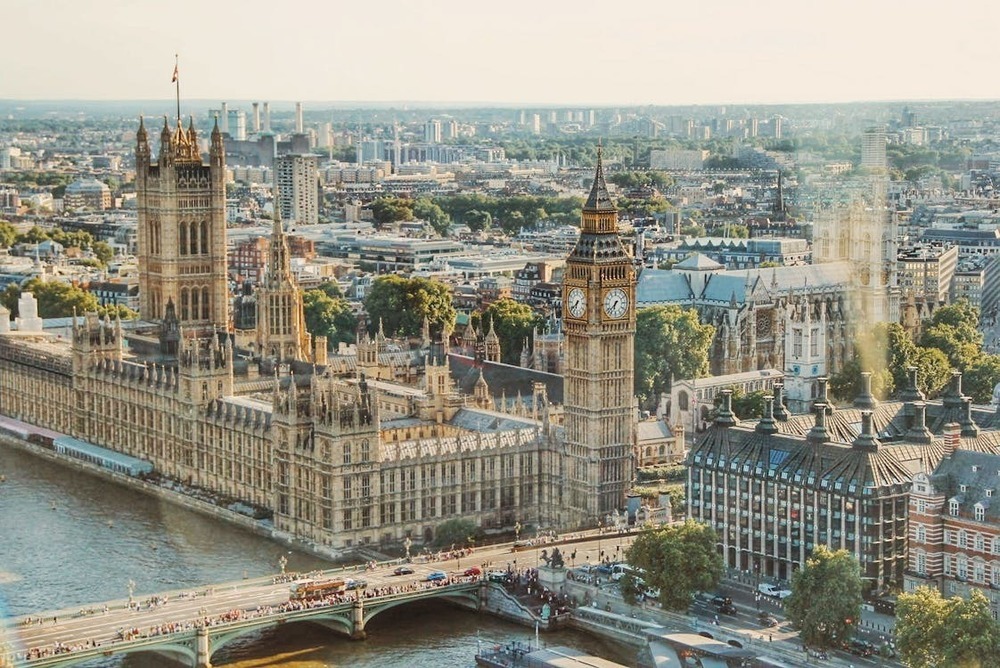
if you enjoy taking vacations, but beaches are not your thing, then exploring the major cities of the world could appeal to you. Imagine strolling through the historic European capitals of London, Paris or Rome. Or for a change of pace, the bustling vibrancy of Tokyo, New York, and Sydney. Urban exploration is all about discovering the hidden gems of bustling cities, from the iconic landmarks to the secret spots only locals know.

Don’t Break the Rules

When exploring a different country, it’s essential to know the laws that apply. Many of the big cities no longer allow smoking in public places, so you will need to stock up on your nicotine pouches from GotPouches to ensure you can relax. Nicotine pouches are smoke-free, and a discreet alternative, perfect for urban explorers. There are numerous flavors available at GotPouches, to accompany you on your adventure.

Pack for the City

Packing for an urban trip is certainly different from knowing what to take for a beach vacation. You don’t want to be dragging a heavy suitcase along the city streets. At least your nicotine pouches are lightweight and easy to carry, and fit seamlessly into your pocket or bag, ready to use whenever you need them. Don’t forget appropriate footwear, as you will be spending a lot of time walking, maybe navigating the crowded streets of Manhattan or Madrid!

Discover the world, one city at a time, with nicotine pouches by your side for the ultimate urban adventure!

The Delights of Rio de Janeiro

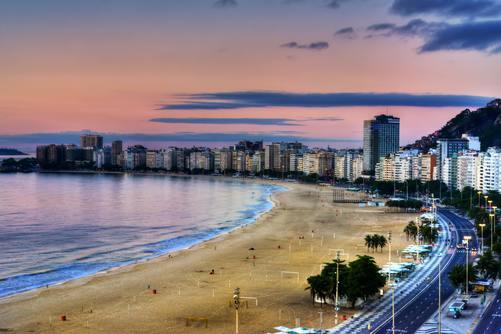
Many dream of visiting Brazil, with its iconic sites and beautiful beaches. One of the most famous destinations is Copacabana Beach, with its 2.5-mile stretch of gorgeous sand. And, of course, it has a reputation for attracting beautiful women strutting their stuff in tiny bikinis.

Unfortunately, this can be somewhat intimidating if you are not entirely happy with your body shape. Before planning your trip to Brazil, you might wish to consider using the services of Motiva to acquire breast augmentation to boost your confidence.

Their renowned surgeons can help you attain the body of your dreams that you will be proud to flaunt in Rio de Janeiro! And with Motiva, the recovery period is relatively short, so you can book your accommodation not too far in the future.

Don’t just visit the beach, though; you won’t want to miss the stunning statue of Christ the Redeemer, Sugarloaf Mountain, and take in a traditional Brazilian BBQ!

Vacation rental hosting

When you are renting out a property for short term vacation rentals then you need to make sure that it is in good order at all times. This can mean regular maintenance and redecoration, to reduce any possibility that the decor becomes worn and faded.

There are simple touches that allow you to keep the rooms looking fresh and new. As an example, the Ikea Karlstad couch covers are a great way to protect the couch and they are easy to clean and it means that you do not have to have a deep clean of the couch every few months. They can be purchased in various colors so will fit with the decor that you choose.

Providing facilities

Even the most basic of facilities such as kitchen utensils should be updated regularly. Once they begin to look a little used, any reference you have made in the marketing materials for your vacation rental to luxury will not ring true with your guests. Changing these simple items for new ones will help to give the rental the clean, fresh look that you want.

Best Tourist Destinations in the World

There are thousands of remarkable tourist destinations in the world. If you are planning your next vacation but are unsure where you should head to, this article is for you. Find out what are some of the best tourist destinations in the world.

Eiffel Tower, Paris

Eiffel Tower, also known as the Iron Lady, is a famous world landmark. This architectural structure stands at 324m. This monument consists of 18,000 iron parts held together by 2.5 million rivets. This tower features movies, music videos, postcards, etc. It is worth noting that the Eiffel Tower is among the most photographed structures globally. When touring Paris be sure to also visit the Arc de Triomphe, Jardin des Tuileries, Le Marais, and Parc des Buttes-Chaumont, among other attractions in Paris.

Giza Pyramid Complex, Egypt

If you love visiting ancient sites, the pyramids of Giza should be on top of your list. It was built over 4500 years ago, and for over 1000 years, tourists have been visiting this structure. Here you will find the Sphinx. Riding camels during sunset is a must-do activity when touring these pyramids. You can also have a dinner cruise on the Nile River or plan to go for a private half-day local market tour.

Machu Picchu, Peru

The Inca City of Machu Picchu is a must-see destination when touring Peru. Machu Picchu remains the most dramatic setting of a ruined city. This city features a lush backdrop of steep and cloud-shrouded mountains. You can view the river far below and mountains covered with jungle. While in Peru, it will also be worth visiting The Inca Trail, Cusco’s Architectural Treasures, and Colca Canyon, among other attractions.

The Colosseum, Rome

The Colosseum is among the major attractions in Rome. It was the largest structure left by Roman antiquity. The structure’s construction started in AD 72 by the Vespasian, and it was enlarged by adding the fourth story by his son, Titus, eight years later. The Colosseum was used for festivals, theatrical performances, games, and circuses. The Imperial Court and high officials watched these activities from the lowest level. The second level was for aristocratic Roman families, while the third and fourth levels were for the populace. While touring Rome, you can also visit the Vatican city, the Pantheon, the Roman Forum, and more attractions.

Statue of Liberty, New York City

The Statue of Liberty, New York’s city symbol of freedom, remains a top sightseeing attraction. This statue was a gift from the French people in 1896. A fun activity to do at the Statue of Liberty is to ride up to her crown. While in New York City, you can also take the chance and visit other sites such as Rockefeller Plaza, Central Park, 5th Avenue, Broadway, among others.

Other famous tourist attractions in the world include the Acropolis- Athens, the Great Wall of China, the Taj Mahal- India, the Petra- Jordan, the Borobudur-Indonesia, and more.

Top 3 Best Ancient Ruins and Archaeological Sites To Visit

Archaeological tourism enjoys immense popularity. Ideally, archeology seeks to explore the human past using material remains. Today, there are so many archaeological sites worth visiting. If you are interested in knowing more about ancient civilizations and the past of humankind, this article shares three of the best archaeological destinations to visit.

Khmer Temples at Angkor Wat

Located in Cambodia, the Khmer temple at Angkor Wat is the most famous archaeological site in Asia. The site that was once the heart of the Khmer empire that existed between the 9th and 15th century. It consists of iconic temples, including Angkor Wat, Bayon, and Ta Prohm. Interestingly, Angkor Wat is the world’s largest religious structure by land area. In 1992, it was officially a UNESCO World Heritage Site. The best time to visit Angkor Wat is during sunset or sunrise when the temples’ silhouette is visible on the moat.

The Great Pyramid of Giza

While there are many pyramids spread across Egypt, the Giza pyramid is the most iconic. One of the seven wonders of the ancient world, Giza was built as the final resting place for king Khufu sometime in the 26th century BC. The pyramid consists of chambers that serve as palaces, temples, and boat pits. How the pyramids were built remains a mystery. Take a tour of the region and experience the marvel and majesty of the ancient Egyptian world. Make sure to stay until dusk to witness the monument bathed in sandy color.

Teotihuacan

Another great archaeological city worth visiting is Teotihuacan, an incredible ancient Mesoamerican city located in Mexico. Designated as a UNESCO World Heritage Site in 1987, Teotihuacan is the most visited archaeological destination in Mexico. The site is characterized by Mesoamerican pyramids and architecture built in the pre-Columbian Americas. Dubbed the ‘City of Gods’, legend has it that gods assembled here to create the moon and the sun after the first world ended. Its religious symbolism is the reason why the Aztecs revered it.

There you have it, folks, the top 3 best ancient ruins, and archaeological sites to visit. Other worthy mentions include Petra in Jordan, Tikal in Guatemala, Acropolis of Athens in Greece, Chichen Itza in Mexico, and The Great Wall of China in China.

Best Destinations for Safari

If you want a remarkable vacation, then you should consider going for a safari. Ideally, a safari is an overland journey to east or southern Africa. What makes a safari unique is that the destination has Big Five game animals – the lion, rhinoceros, leopard, Cape buffalo, and the elephant. If this sounds like a great idea, here are the top 5 safari destinations.

Serengeti National Park, Tanzania

There are many safari destinations, but the Serengeti National Park in Tanzania is iconic. Listed as a national park by UNESCO, Serengeti is one of the oldest ecosystems in existence. If you want the perfect safari, this destination should be on your wish list. Besides the big five, the expansive plains and grassland of Serengeti boast other wildlife, including giraffes, hyenas, zebras, cheetahs, and the African wild dog.

Maasai Mara National Reserve, Kenya

Bordering the Serengeti, the Maasai Mara National Reserve is another top spot to experience a safari. Here, you can also view the big five and, interestingly, the wildebeest migration, one of the seven wonders of the world. In addition to the wildlife, you can experience the rich Maasai culture in the Maasai Mara National Reserve.

Kruger National Park, South Africa

One of the must-visit destinations in Africa is the Kruger National Park. Covering an expansive two million hectares, it is home to over 25,000 large game animals, including all the big five animals and the extraordinary Little 5.

The above are the best safari destinations. Other worthy mentions include Amboseli National Park in Kenya, Ngorongoro Crater in Tanzania, Addor Elephant National Park in South Africa, Chobe National Park in Botswana, and Victoria Falls in Zambia.

Responsible Tourism: Environmental Conservation

By definition, responsible tourism is a form of travel that is inspired by the need to reduce negative economic, social and environmental impacts while generating greater economic benefits to the locals. While there are so many ways to be a responsible tourist, environmental conservation is fundamental.

In this article, we have shared some of the ways you can be a responsible tourist.

Mind About the Environment

There’s no doubt that tourism has negative effects on the environment, especially pollution. If you want to be on the green side of tourism, be mindful of the environment.

Avoid Littering

When it comes to environmental conservation, you have to avoid littering at all costs. Many are times tourist destinations are left with plastic and other kinds of litter. Well, it’s the responsibility of the organizations running the destination to provide litter bins, but at the end of the day, not all sites and attractions have these facilities.

Shun Plastics

If you are a responsible tourist, consider using reusables. Avoid plastics. According to the IUCN, plastic waste damages the aesthetic value of tourist destinations. A report according to WWF shows that tourists cause a 40% spike in plastic entering the Mediterranean sea each summer. Instead of plastics, use reusable products such as bamboo straws instead of plastic straws.

How to Stay Safe When Visiting Tourist Destinations

Your safety as a visitor to particular destinations is paramount. This is in light of the fact that locals in many destinations shun tourists. But then, there are ways you can ensure that your safety is safeguarded in such destinations. In this article, find out how to stay safe when visiting tourist destinations.

Do as the Romans Do

They say, when you go to Rome, do as the Romans do. This is a saying applicable to travel. As a responsible tourist, try to learn the culture of the people in the destination you are visiting. Many are times tourists experience resentment by doing what is considered wrong. It could be your eating style or even how you exchange pleasantries.

Follow the Guidelines

Another reason tourists’ safety is compromised is because of not following the laid down guidelines. Make sure to read and understand the rules and regulations attached to the particular destination you are visiting.

Consider Off Peaks

Most locals in the top destinations hate the crowds. If you want a remarkable vacation, consider visiting during the low seasons. Overcrowding is a serious problem that triggers resentment from the locals. Off peaks times also tend to be a lot affordable considering the demands for goods and services are reasonably low.