
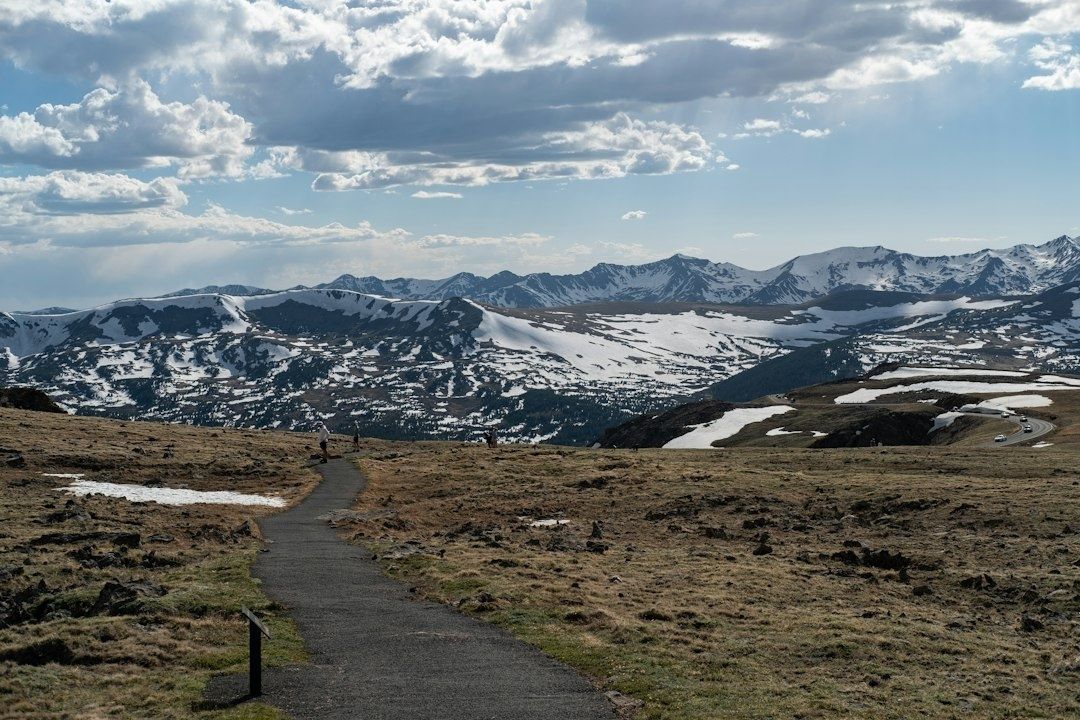
The Strategic Rise of Shoulder-Season Travel in Mountain Gateways
Rethinking the Mountain Off-Season
For generations, mountain gateway communities have been organized around a familiar seasonal dichotomy. Peak periods brought full hotels, busy restaurants, crowded trailheads, and strong visitor spending, while late autumn and early spring were often treated as “mud seasons,” periods to endure until the next reliable rush. That model no longer reflects how people work, travel, or evaluate destinations. Flexible employment, remote work, changing household patterns, and growing interest in lower-impact travel have created more room for trips outside traditional vacation windows. Travelers increasingly value time, space, affordability, and meaningful contact with place as much as they value peak-season weather.
That shift gives destination leaders a chance to reposition the calendar itself. Late autumn and early spring are not simply weaker versions of summer. They offer different operating conditions, different visitor motivations, and different opportunities for stewardship. A well-managed shoulder season can distribute demand, protect infrastructure, extend employment, and make mountain communities more livable. For destinations across Tennessee and other mountain regions, the strategic question is no longer how to fill every room at the height of summer. It is how to create a year-round visitor economy that respects ecological limits and strengthens the community that hosts it.
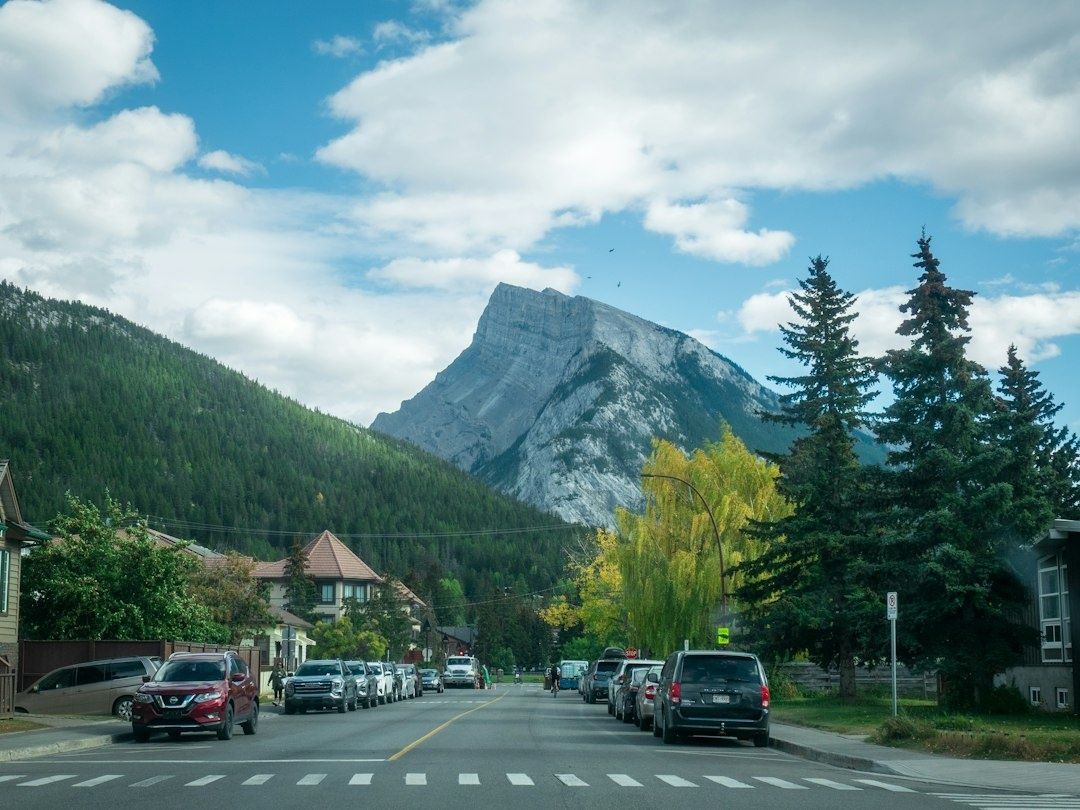
Relieving Pressure on Sensitive Corridors and Ecosystems
Peak-season compression concentrates thousands of decisions in a short period. Visitors arrive at the same trailheads, cross the same stream corridors, park along the same roads, and seek the same overlooks. Even when each individual action appears minor, the cumulative effect can be substantial. Repeated foot traffic compacts soil, widens informal paths, accelerates erosion, and damages vegetation that may take years to recover. Wildlife can also experience repeated disturbance in feeding, nesting, or breeding areas, especially where visitors leave designated routes or gather around attractive natural features.
Seasonal distribution is not a substitute for responsible visitor management, but it reduces the intensity of pressure at specific times and locations. Shoulder-season visitation can be directed toward trails, cultural assets, scenic drives, guided programs, and downtown experiences that are appropriate for prevailing weather and ecological conditions. Clear information remains essential. Spring runoff, saturated soils, wildfire recovery zones, and sudden storms can make some routes unsuitable even when visitor numbers are low. The objective is managed access, not unrestricted access.
Moderate visitation can also create better conditions for natural phenomena that depend on particular combinations of temperature, moisture, darkness, and habitat quality. In Great Smoky Mountains National Park, the synchronous firefly, Photinus carolinus, produces coordinated flashes during a mating period that typically lasts only two to three weeks. Activity is influenced by temperature and soil moisture, and heavy rain can interrupt the display. The National Park Service firefly guidance explains why timing, habitat protection, and controlled visitor access matter when a destination promotes an exceptionally sensitive natural event.
- Use trail and habitat data to identify areas where shoulder-season demand can be welcomed safely.
- Match marketing messages to actual ground conditions, including closures, weather risks, and seasonal ecological limits.
- Pair high-interest natural events with reservation systems, shuttle planning, ranger interpretation, and strict leave-no-trace communication.
- Measure success through reduced corridor damage and improved habitat conditions, not visitor volume alone.
Sustainable Management Lessons from International Gateways
Capacity control and seasonal distribution are ultimately quality-of-life strategies. When visitor peaks overwhelm roads, waste systems, parking areas, emergency services, and public spaces, residents experience tourism as disruption rather than shared prosperity. Businesses may benefit from intense demand, but they also face supply shortages, workforce housing pressure, unpredictable service quality, and high maintenance costs. Smoothing demand across twelve months gives municipalities a more stable basis for staffing, capital planning, transit coordination, and public communication.
European destinations provide useful lessons, even when their physical settings differ from North American mountain gateways. European tourism recorded strong shoulder-season demand in late 2024, with foreign arrivals in the final quarter above 2019 levels and travelers showing continued interest in value-oriented, shorter, and off-peak trips. Historic destinations have increasingly combined demand management with digital tools, mobility reform, and stakeholder coordination. North American mountain communities can adapt the principle without copying every policy. A gateway may use parking information, timed access to sensitive corridors, event calendars, shuttle coordination, and targeted offers to influence when and where visitors move.
Dubrovnik demonstrates the value of proactive intervention before community frustration becomes irreversible. Its Respect the City initiative combines stakeholder collaboration, cruise-arrival regulation, traffic controls, real-time visitor counting, forecasting, and mobility management. The Sustainable EU Tourism case study of Dubrovnik shows how data can support less crowded periods and locations while protecting urban liveability. For mountain gateways, the comparable goal is to make seasonal demand visible, measurable, and manageable before roads, trails, and public services reach their limits.
| Management challenge | Shoulder-season response | Potential community benefit |
|---|---|---|
| Congested roads and trailheads | Timed programs, visitor information, shuttle coordination, and alternative itineraries | More reliable mobility and lower emergency pressure |
| Uneven staffing demand | Longer operating calendars and coordinated event programming | More stable employment and service quality |
| Infrastructure strain | Distributed visitation and phased maintenance | Better resilience and more predictable capital planning |
| Resident concern about crowding | Transparent capacity targets and community feedback | Greater trust in tourism governance |
Stabilizing Municipal Economies and Local Small Businesses
Tourism economies that depend almost entirely on a brief peak season are vulnerable to weather events, economic downturns, transportation disruptions, public-sector closures, and sudden changes in consumer confidence. The impact reaches well beyond lodging. Restaurants, outfitters, retail shops, transportation providers, attraction operators, cleaning companies, and seasonal employees all feel the consequences of a shortened or weakened peak. A stronger shoulder season does not eliminate risk, but it spreads revenue across more months and gives businesses additional chances to recover from disruption.
The economic value of gateway visitation is substantial. A September 2025 National Park Service release reported that tourism connected to Great Smoky Mountains National Park contributes more than $2.8 billion to nearby gateway communities. The same release, drawing on the 2024 National Park Visitor Spending Effects report, identified lodging and restaurants as major contributors to national park-related economic output. These figures should not be interpreted as an argument for unlimited growth. They show why destination leaders need to protect the conditions that allow visitor spending to support local employment, public revenues, and small business continuity over time.
Partnerships are especially important when public funding becomes uncertain. In 2025, Sevier County, nearby municipalities and counties, the State of Tennessee, Friends of the Smokies, the Eastern Band of Cherokee Indians, and other partners worked through agreements intended to keep Great Smoky Mountains National Park fully operational during a federal government shutdown. The arrangement demonstrated that regional stakeholders can coordinate funding and operational continuity when a nationally important asset faces disruption. Similar partnerships can support shoulder-season programming, shared marketing, visitor services, maintenance priorities, and emergency contingencies.
- Build a shared shoulder-season calendar that connects lodging, restaurants, attractions, outdoor operators, and cultural organizations.
- Track monthly indicators such as occupancy, payroll stability, visitor spending, trail conditions, and resident sentiment.
- Create cooperative funding mechanisms for essential visitor services when federal, state, or municipal resources are interrupted.
- Help small businesses develop products suited to variable weather, including culinary events, workshops, guided interpretation, and indoor cultural programming.
The Traveler Value Equation in the Quiet Months
The quiet months offer a different form of value that should be communicated clearly. Visitors can often navigate downtowns more easily, find parking with less friction, and approach trailheads without the stress associated with peak-season congestion. That sense of spaciousness affects the entire trip. A family can spend more time at a viewpoint, a couple can speak with a local guide without competing with a large group, and a traveler seeking renewal can experience the landscape at a slower pace.
Affordability strengthens the proposition, particularly for younger travelers and households managing higher travel costs. Airbnb reported that Gen Z searches for fall travel rose 26 percent in its 2025 trend material, while affordability influenced more than 80 percent of surveyed respondents” decisions. Such figures come from a commercial platform and should be treated as directional rather than universal, but they point to an important market reality. Younger visitors may be willing to travel farther or stay longer when shoulder-season lodging, transportation, and experiences provide better value than peak dates.
Quiet-season travel can also produce richer cultural and culinary engagement. Smaller groups make it easier for local businesses to explain regional ingredients, heritage, crafts, music, and conservation work. A restaurant may be able to offer more attentive service, while a guide can adapt a program to a visitor”s interests rather than moving a large group through a fixed itinerary. Destination marketing should therefore sell the character of the season, not apologize for conditions that differ from summer.
- Identify the season”s real strengths. Focus on fall color, cool-weather hiking, wildlife observation, local food, dark skies, heritage, wellness, or creative workshops, depending on the destination”s assets.
- Design complete itineraries. Combine lodging, dining, outdoor access, cultural experiences, and weather-resilient alternatives so visitors can plan with confidence.
- Communicate conditions honestly. Explain changing weather, trail limitations, road information, and reservation requirements rather than promising a peak-season experience.
- Invite local participation. Feature independent businesses, community organizations, tribal perspectives where appropriate, and locally led interpretation.
Building a Resilient Blueprint for Year-Round Stewardship
Shoulder-season promotion is most effective when it is treated as a management instrument rather than a marketing afterthought. It can reduce pressure on sensitive corridors, give ecosystems time to recover, improve infrastructure resilience, stabilize local business activity, and provide visitors with more affordable and meaningful experiences. The strongest strategies connect these outcomes instead of pursuing occupancy in isolation. A campaign that fills rooms while overwhelming a trailhead has not solved the destination”s central problem.
Destination marketing organizations and local enterprise leaders should begin with shared data, realistic capacity objectives, and a calendar built through partnership. Coordinate with municipalities, land managers, transportation providers, conservation organizations, businesses, and residents. Package the quiet months around authentic regional assets, invest in weather-resilient programming, and report results in terms that communities recognize, including employment continuity, infrastructure performance, habitat protection, resident satisfaction, and visitor quality. The future of mountain tourism will not be defined by eliminating busy seasons. It will be defined by balancing them with carefully managed periods that allow landscapes, businesses, and communities to recover and thrive.
By Magnus
- 8, Oct, 2026
- 0 Comments